— Ram Gen
Romanovska koncept
Intezivna farma Romanovskih ovaca
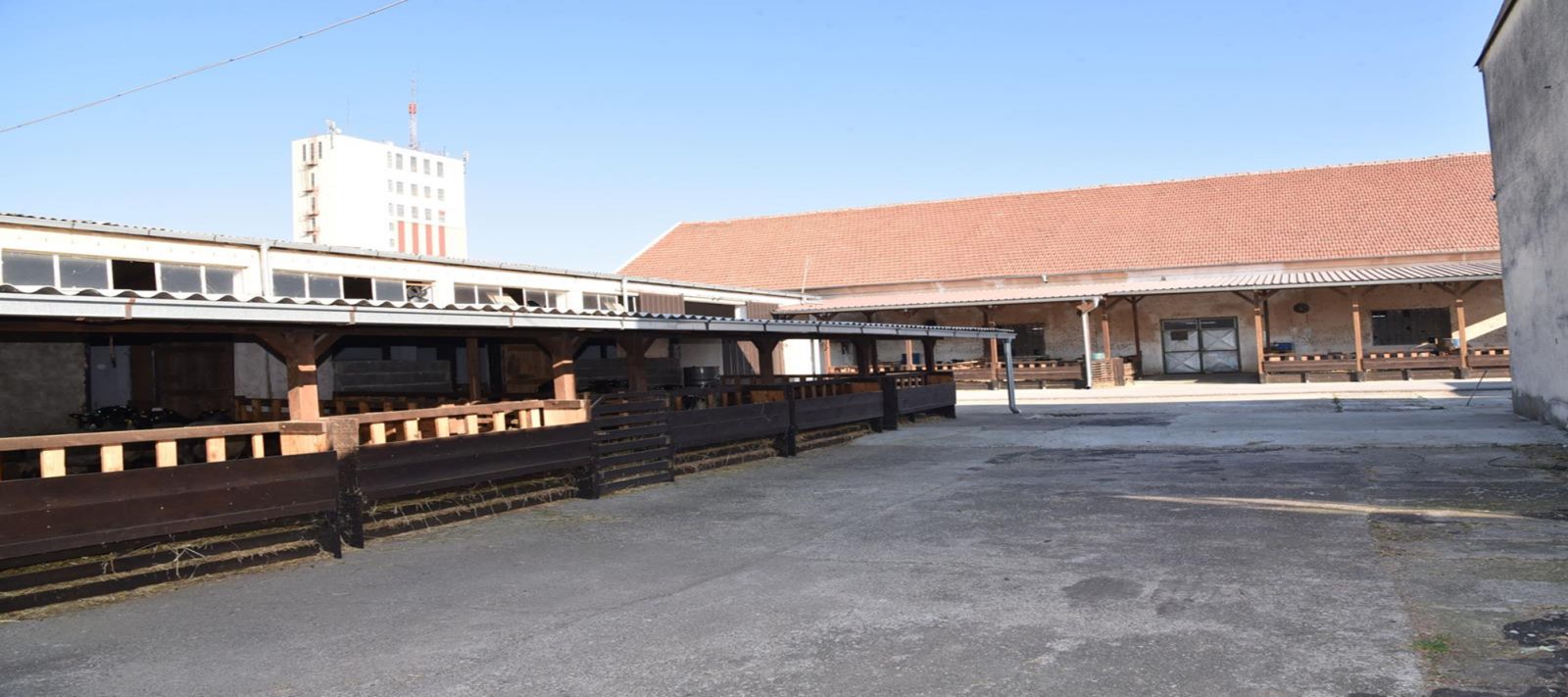
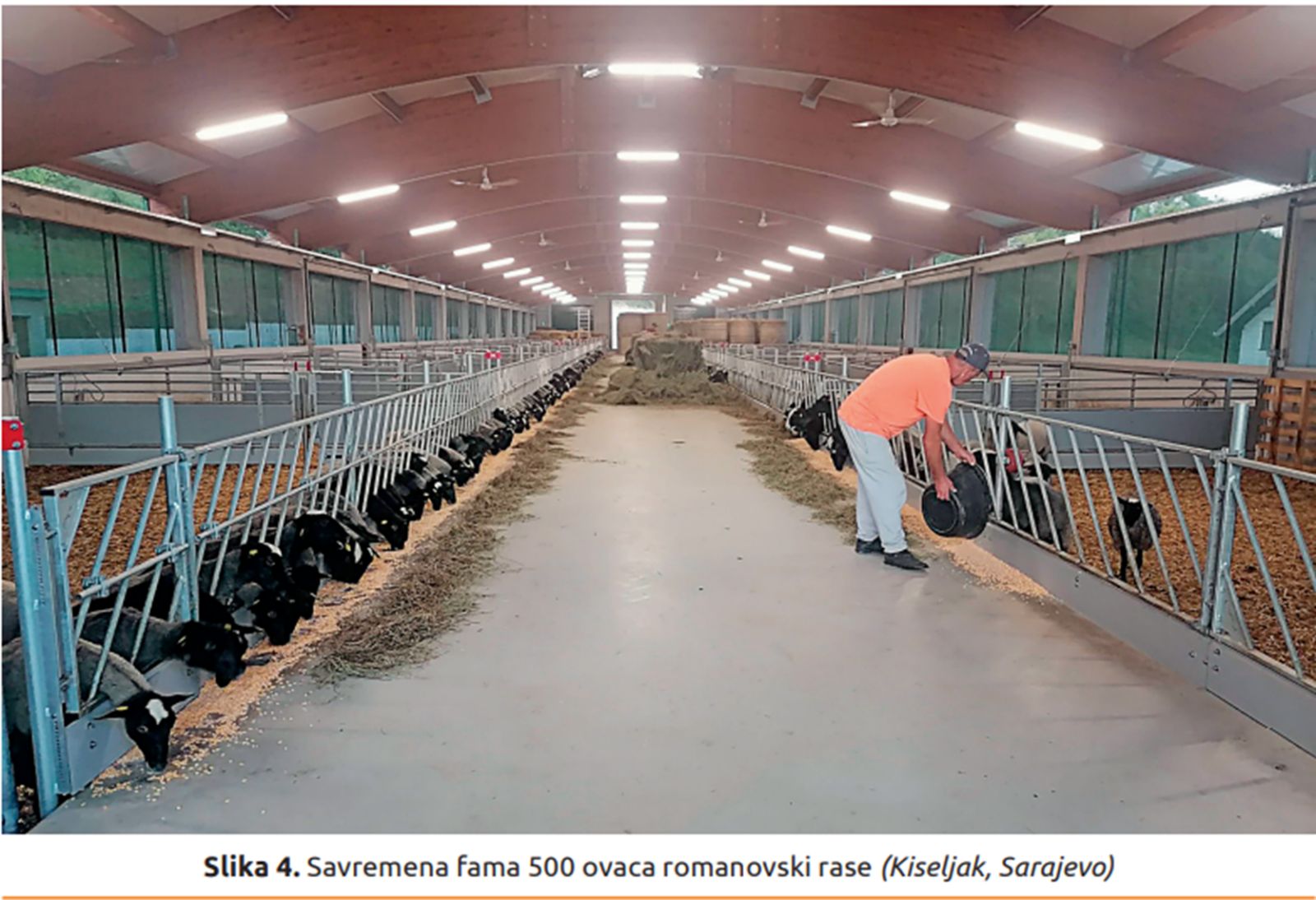
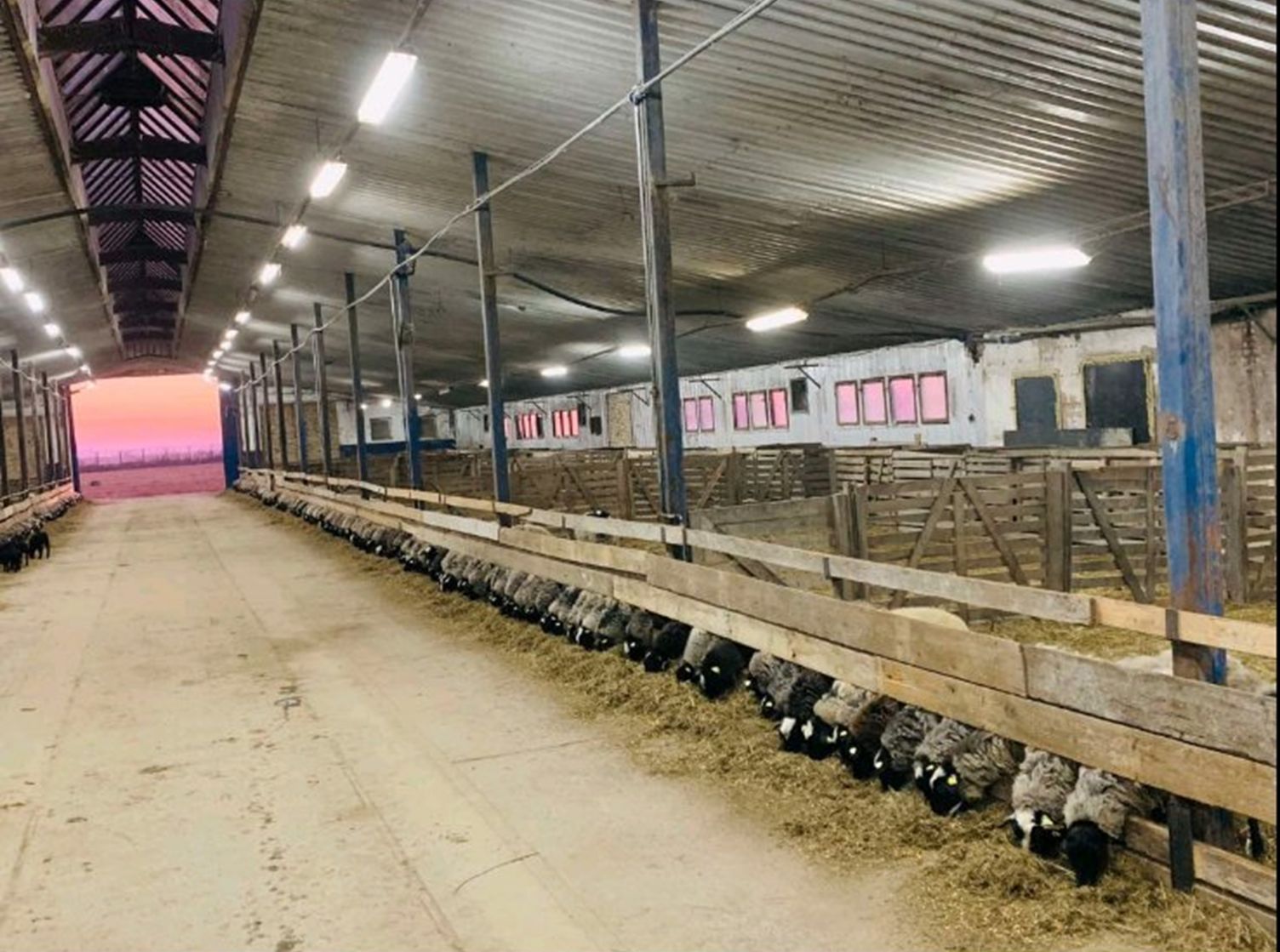
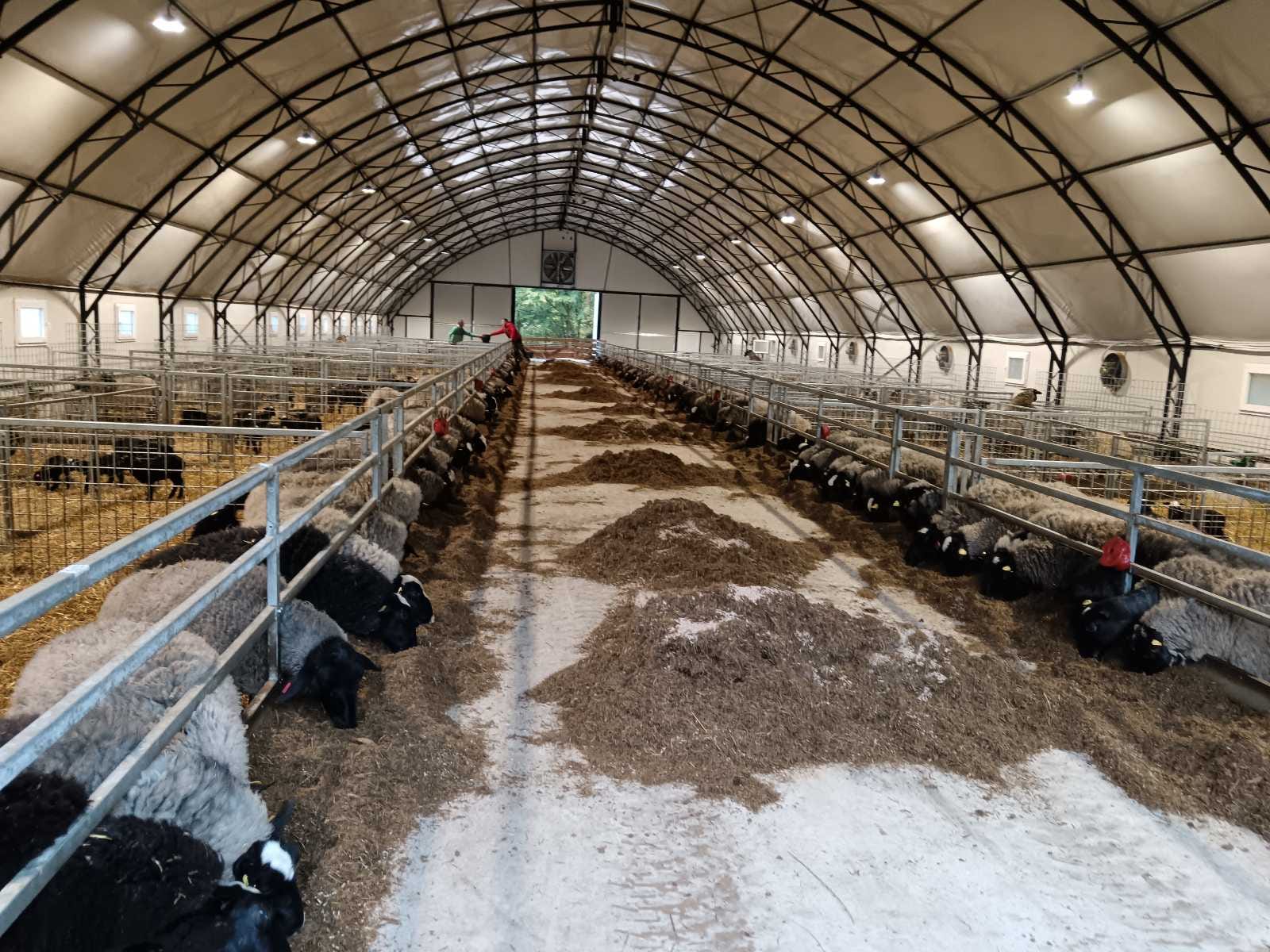
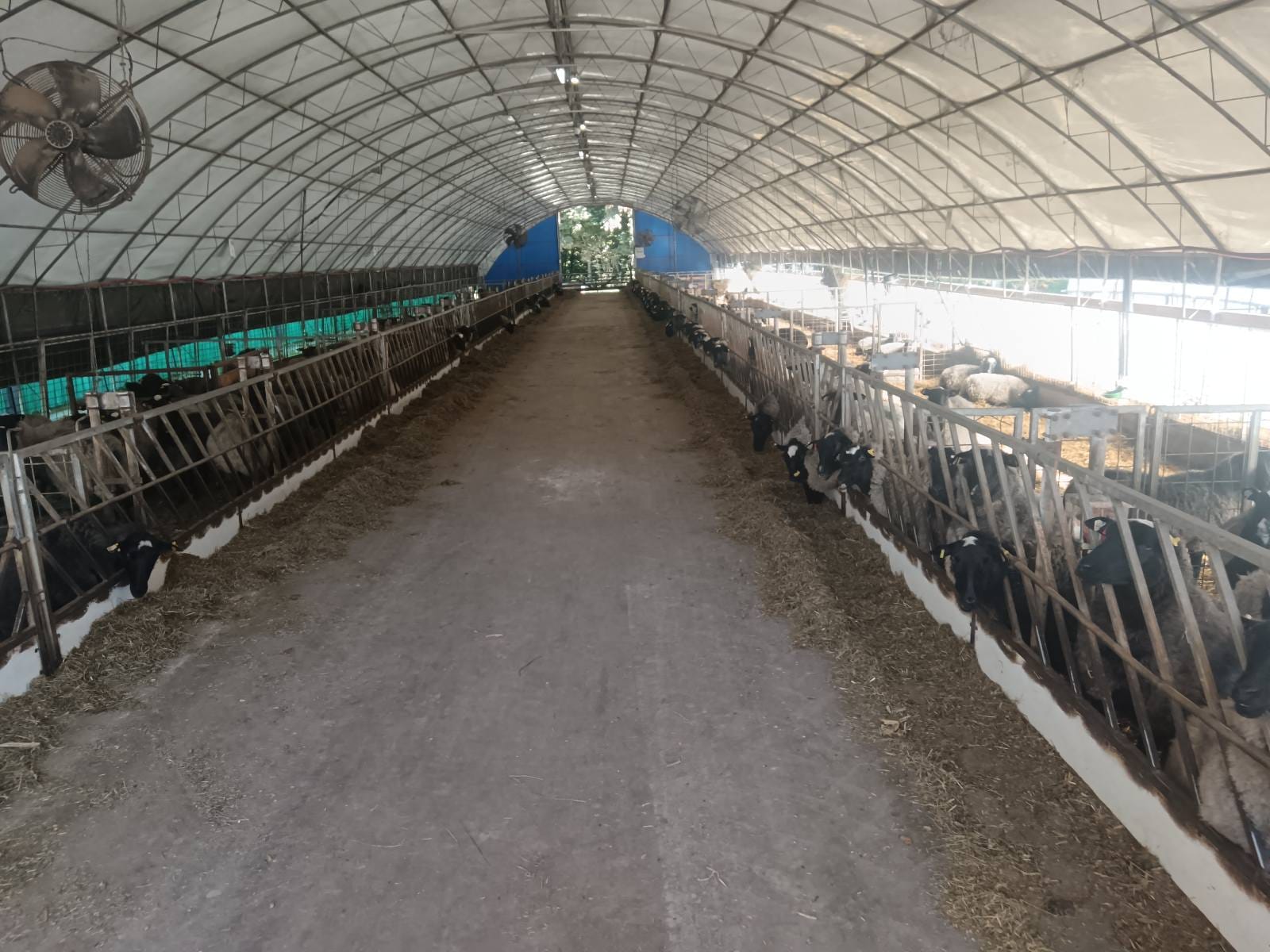
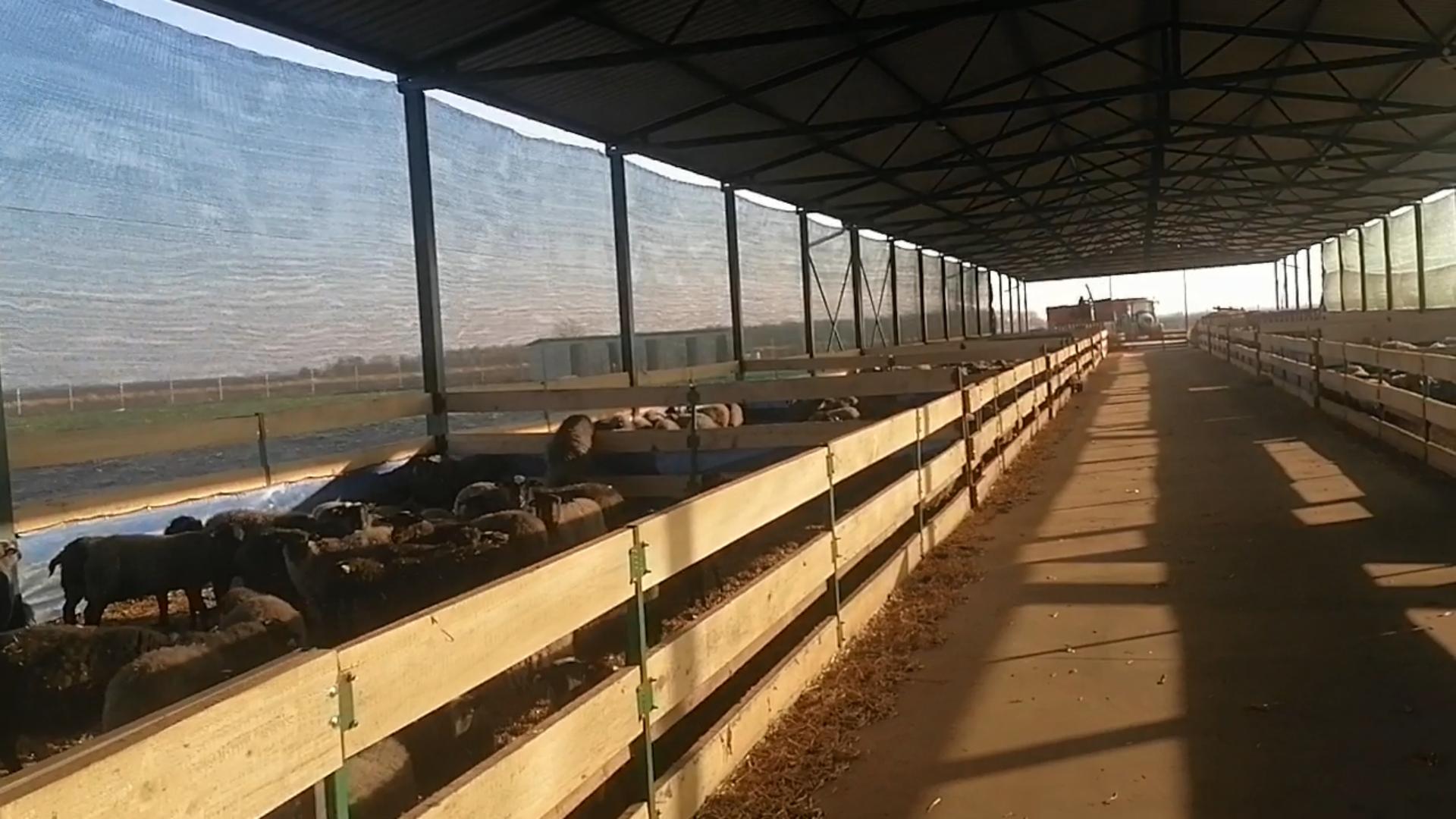
Romanov sheep in Serbia are now the 5th breed in terms of the number of registered sheep in the National Selection Service Database (17,347 sheep in 2023) and records the fastest overall growth in the Balkans. And this is not without reason!
Romanovske ovce u Srbiji su sada 5. rasa po broju registrovanih ovaca u selekcijskoj službi (17.347 ovaca u 2023. godini) i beleži nabrži rast, generalno, na Balkanu. I to ne bez razloga!
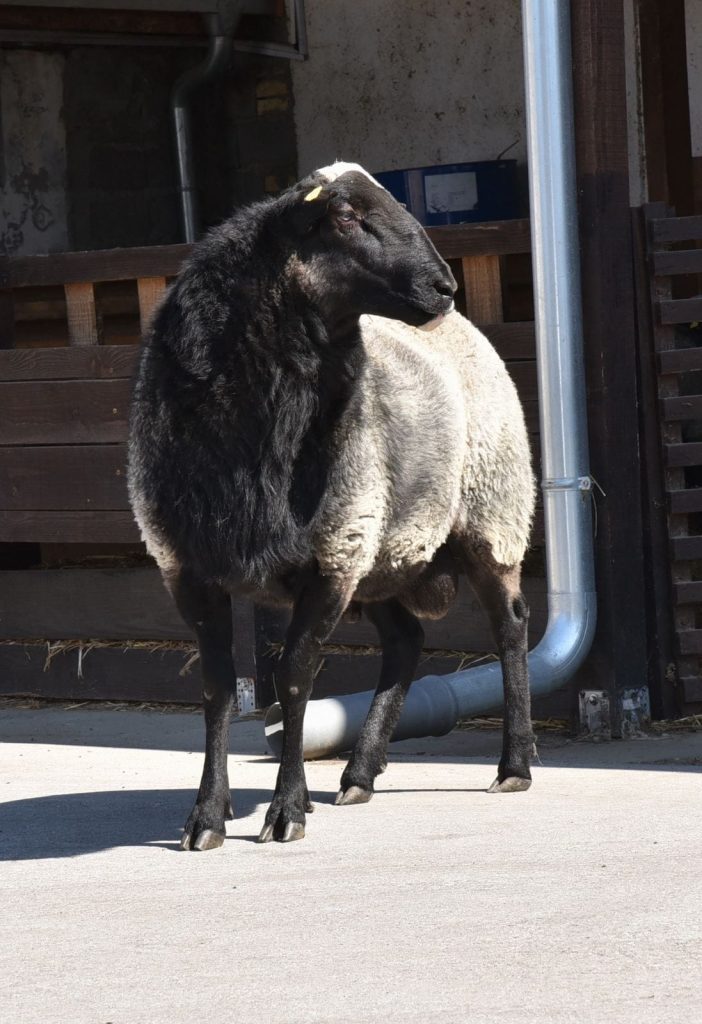
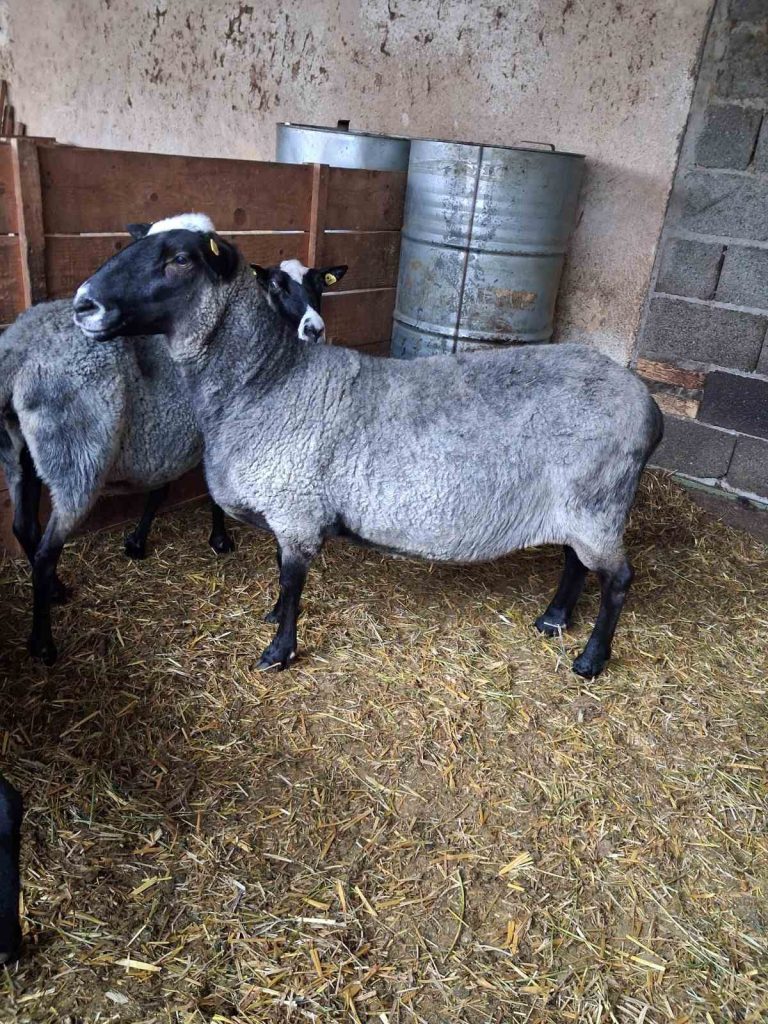
These sheep are famous for their high fertility, excellent fleece, and, above all, good-tasting meat. However, unlike the Russian variety, the Czech strain has been significantly improved in fattening ability while retaining fertility. The common opinion that it is a small-sized sheep with modest yield and slow growth is now changed in large extent. The qualities that made it inferior have been greatly corrected. This breed of sheep can now be ranked among the three most productive in the world (if we consider the dairy breed of sheep as well), and in terms of meat production, it is convincingly in first place. This, of course, implies that these genetics must be “unlocked” by an intensive and high-quality diet, while the breed has retained all other positive features, such as adaptability to different climatic conditions, exceptional liveliness and resistance of lambs after birth, good maternal instinct, and early maturity, in which it is also unmatched. The countries of the Balkans have excellent prerequisites, knowledge, and quality of land, so several larger farms have been created that record world-class results and have become a real nursery of excellent genetics (https://maticromanovske.com; https://farma.ba).
Fours, fives and even sixes can be expected with this sheep. The North American record is seven alive and healthy lambs (also in Serbia), and the official breed record is nine lambs. However, it is realistic to expect 2.7 lambs per sheep, or 2.5 lambs reared. With lambing at 8-9 months, it is understood that about 370 lambs are produced per 100 sheep per year. These values, in an intensive system, can be raised to the level of 500-600 lambs per 100 sheep. With good care, these sheep are destined for an average production of 3.5 lambs in a litter, with the requirements for the overall management of the farm (food, accommodation and organization of work) met.
With forced nutrition, in 100 days of fattening, a weight of 30-40 kg can be achieved, with abundant and high-quality nutrition of the mother and lambs. Lambs achieve daily gains of 300-350 and even 400 gr. (depending on the size of the litter), with a meat yield of 55 percent. In this way, one sheep, with 5-6 lambs reared during the year, can achieve a production of 150-170 kg of meat. It is estimated that the costs of intensive feeding over the year are covered by the sale of two lambs, and that the profit comes from the third and subsequent lambs.
The Romanov sheep is ideal for crossing with extremely meat breeds such as Suffolk, Texel, Île de France, and for beginners, with Charollais rams as terminal males.
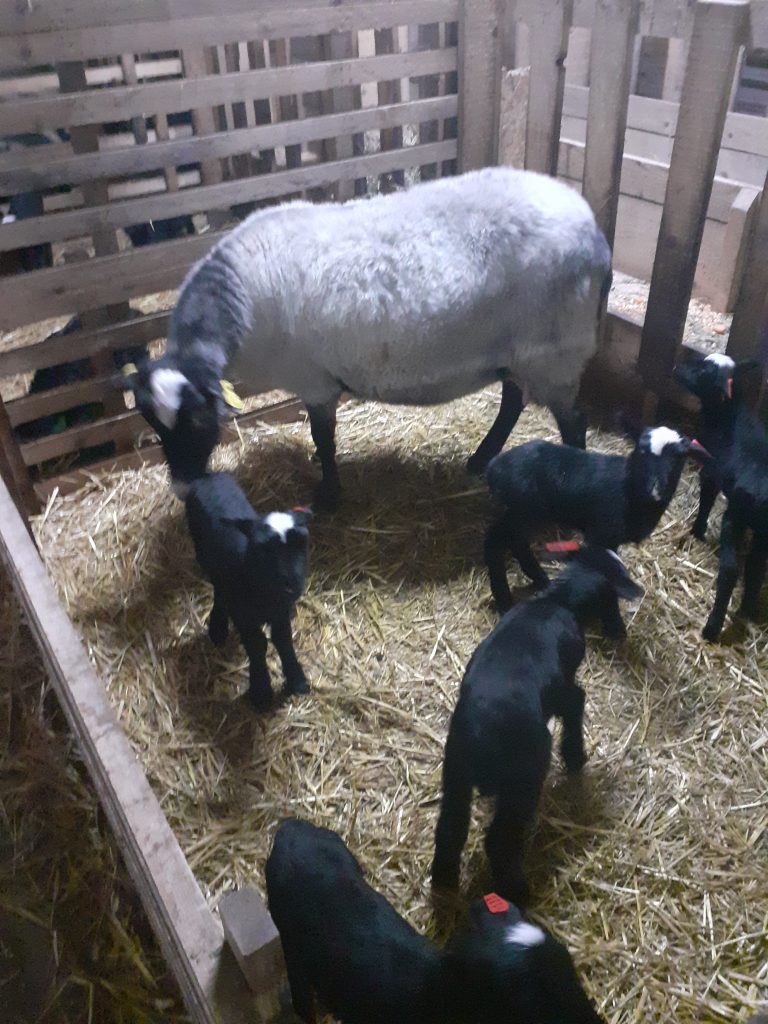
Ove ovce su poznate po visokoj plodnosti, odličnom krznu i nadasve dobrom ukusu mesa. Međutim, za razliku od ruskog varijeteta, češka linija je znatno unapređena po tovnim sposobnostima, uz očuvanu plodnost. Ustaljeno mišljenje, da je to ovca malog formata, skromnog randmana i sporog prirasta, se sada u potpunosti menja. Odlike koje su je činile inferiornom su znatno korigovane. Ova rasa ovaca se sada može svrstati među tri najproduktivnije na svetu (ako se uzmu i mlečne rase ovaca u obzir), a po proizvednji mesa je ubedljivo na prvom mestu. To, naravno, podrazumeva da se ova genetika mora „otključati” intenzivnom i kvalitetnom ishranom, pri čemu je rasa zadržala sve ostale pozitivne odlike kao što su prilagodljivost na razičite klimatske faktore, izuzetna živahnost i otpornost jaganjaca nakon rođenja, dobar materinski instinkt i ranostasnost, gde takođe, nema premca. Zemje Balkana imaju odlične preduslove, znanje, kvalitet zemlje, tako da su stvorene nekoliko većih farmi koje beleže svetski vredne rezultate i postali su pravi rasadnik odlične genetike (https://maticromanovske.com/; https://farma.ba/).
Kod ove ovce se mogu očekivati četvorke, petorke, pa čak i šestorke. Severnoamerički rekord je sedmoro žive i zdrave jagnjadi (takođe u Srbiji), a zvanični rekord rase iznosi devet jaganjaca. Međutim, realno je očekivati 2,7 jagnjeta po ovci, odnosno, 2,5 odgajene jagnjadi. Uz jagnjenje na 8-9 meseci, podrazumeva se, da se na 100 ovaca godišnje proizvede oko 370 jaganjaca. Ove vrednosti se, u intenzivnom sistemu, mogu podići i na nivo i od 500-600 jaganjaca na 100 ovaca. Uz dobru negu, ove ovce su predodređene za prosečnu proizvodnju od 3,5 jagnjeta u leglu, uz ispunjene zahteve u pogledu celokupnog vođenja farme (hrane, smeštajnog prostora i organizacije rada).
Forsiranom ishranom se, za 100 dana odgoja, može postići težina jaganjaca od 30-40 kg, uz obilnu i kvalitetnu ishranu majke i jaganjaca. Jaganjci postižu dnevne priraste od 300-350 pa i 400 gr. (u zavisnosti od veličine legla), uz randman mesa od oko 55 procenata. Na taj način, jedna ovca, sa 5-6 odgajenih jaganjaca u toku godine može postići proizvodnju od 150-170 kg mesa. Računa se, da se troškovi intenzivne ishrane, na nivou godine, namire prodajom dva jagnjeta a da zarada dolazi od trećeg i narednih jaganjaca.
Romanovska ovca je idealna za meleženje sa izrazito tovnim rasama kao što su Safolk, Teksel, Ile de France, a za početnike, sa Charollais ovnovima kao terminalnim mužjacima.
In this case, the final weight could be achieved up to 20 percent faster. While lambs in the pure breed reach 30 kg, with Suffolk as terminal sires, they reach up to 40 kg in 90 days. This measure is recommended for use in genetically less valuable Romanov sheep when a rapid final fattening is required. In this case, the lamb can reach the weight of the mother as early as 5-6 months. Even when crossing, the lambs are never too large at the lambing (born without or with minimal intervention). In this case, Charollais ram is our option.
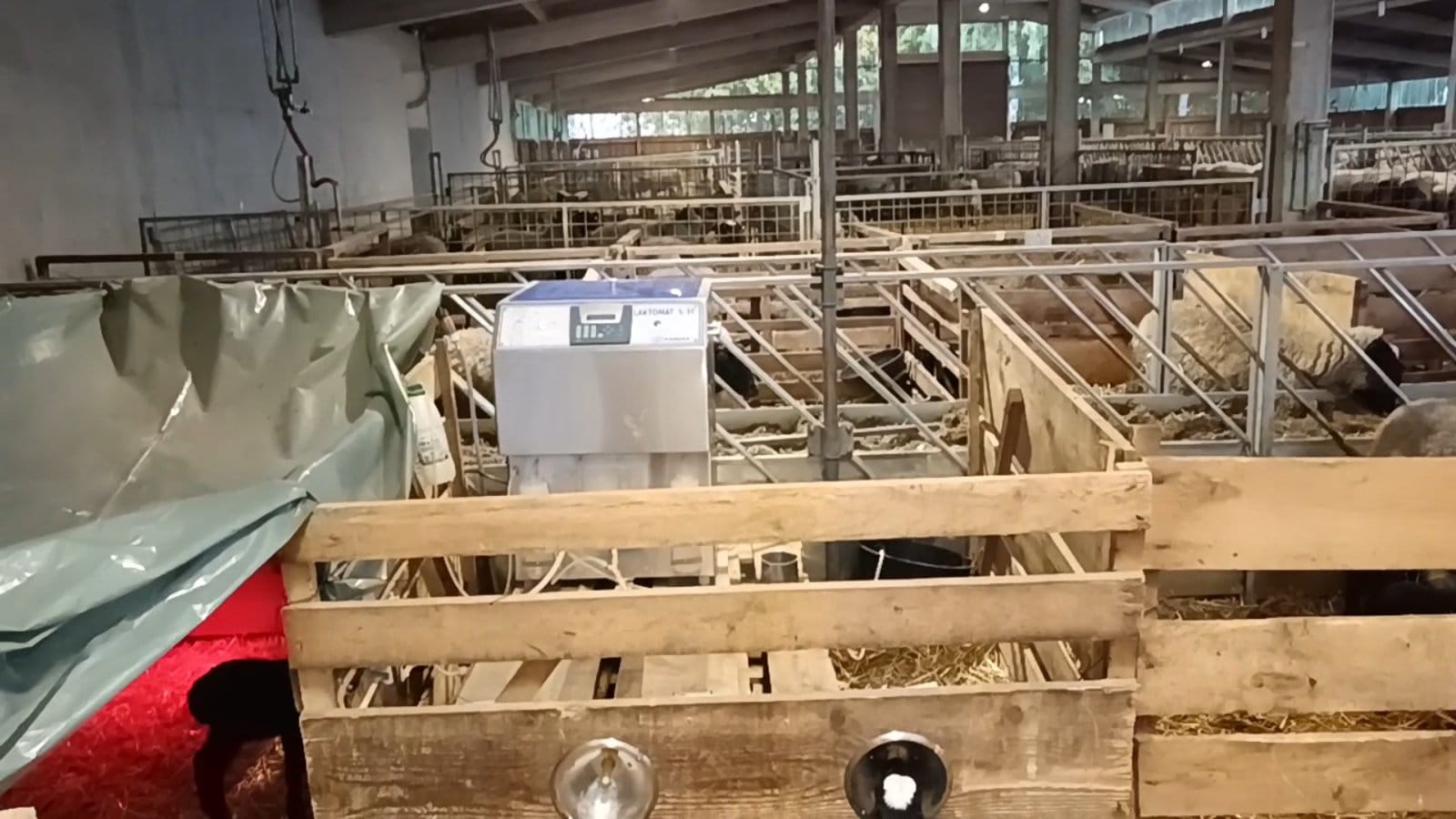
It is necessary to know the needs of sheep for food in different production phases, have an appropriate vaccination system (depending on the problems on the farm), take care of excess lambs (milk machine-lactomates, heating boxes, colostrum bank), have full records (see our software), have a full insight into the weight gain for further selection (see the operation of automatic scales), sufficient accommodation space, control of fertility of males and females, assessment of body condition, etc… All this contribute to good or bad results. One thing is for sure: this sheep is the champion of its species for the amount of meat it produces in a year. Her total litter size is increasing from 1.3 – 1.8 kg per day.
The difference in the management of elite Romanov sheep compared to other breeds:
A much more intensive diet and more frequent control of the body condition score by the production phase. Optimization of rations necessary in the period of preparation for lambing, lactation, and before new mating.
Adjusting the optimal time for the first mating.
Must be placed in the individual maternity box before lambing.
More space in the individual boxes (not longer than 10 days).
Formation of small groups (up to 20 mothers) at the stage of lamb rearing.
Take care of the outnumbered lambs (4th and then thereafter; Check out our solutions).
Provide separate nutrition to lambs from the 10th day of life.
Lambs are more sensitive to cold if they come from malnourished mothers.
There is a need for more frequent vaccination protocols. Necessity of 2 shearings per year (instead of once).
Better control of possible remaining lambs in the uterus (check by hand, ultrasound, oxytocin).
Earlier weaning from mothers when lactating (with 2- 2.5 months of age lambs).
Earlier separation of male and female lambs (before 3 months of age)….etc.
For detailed information on genetic selection, follow our website https://maticromanovske.com Regarding the technology of sheep breeding, call +381 63 236 260.
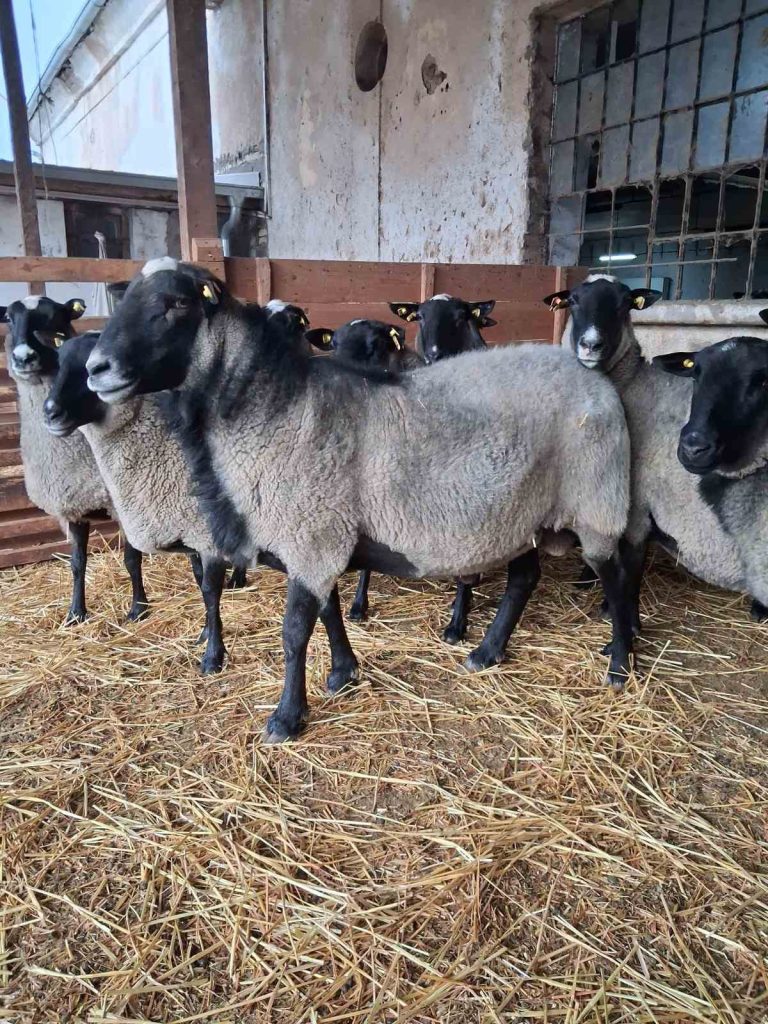
Prirast, u tom slučaju, može biti korigovan i do 20 procenata. Dok jaganjci u čistoj rasi postižu 30 kg, u meleženju sa safolk ovnovima, dostižu i do 40 kg za 90 dana tova. Ova mera se preporučuje za primenu kod genetski manje vrednih romanovskih ovaca, kada se traži brz završni tov. U tom slučaju, jagnje može dostići težinu majke već sa 5-6 meseci. Čak i pri meleženju, jaganjci nikada nisu preveliki i jagnjenje, po pravilu, protiče gotovo bez ili sa minimalnom intervencijom. U ovom slučaju, Šarole ovan je naša opcija.
Potrebno je poznavati potrebe ovaca u hrani po proizvodnim fazama, imati odgovarajući vakcinalni protokol (u zavisnosti od problema na farmi), brigu o prekobrojnim jaganjcima (laktomati, grejni boksevi, banku kolostruma), punu evidenciju (pogledajte naše softvere), pun uvid u prirast radi dalje selekcije (pogledajte rad automatskih vaga), dovoljno smeštajnog prostora, kontrolu plodnosti mužjaka i ženki, ocenu telesne kondicije, itd… Sve ovo doprinosti dobrim ili lošim rezultatima. Jedno je sigurno, ova ovca je šampion svoje vrste u količini proizvedenog mesa za godinu dana. Njena legla napreduju od 1,3 – 1,8 kg na dan.
Razlika u menadžmentu elitnih Romanovskih ovaca u odnosu na ostale rase:
Znatno intenzivnija ishrana i češća kontrola ocene kondicije po proizvodnim ciklusima.
Optimizacija obroka neophodna u period pripreme za jaganjenje, laktacije i pre novog parenja.
Vreme pripusta za prvo parenje. Smeštaj u porodiliše pre jaganjad.
Više prostora u pojedinačnim boksevima. Formiranje manjih grupa (do 20 majki) u fazi gajenja jaganjaca.
Briga o prekobrojnim jaganjicima (od 4og jagnjeta pa nadalje; proverite naša rešenja). Omogućiti zasebnu ishranu jaganjcima već od 100g dana života.
Jaganjci osetljiviji na hladnoću ako potiču od pothranjenih majki.
Učestalija potreba za vakcinacijom.
Neophodno 2 šišanja godišnje (umesto jednom). Bolja kontrola mogućih preostalih jagnjadi u materici (provjera rukom, ultrazvukom, oksitocinom).
Ranije odvajanje od majki kod dojenja (sa 2-2,5 meseca starosti jaganjaca).
Ranije odvajanje muških i ženskih jaganjaca (pre 3 meseca starosti).
itd.
Za detaljne informacije o genetskom izboru, pratite naš sajt
https://maticromanovske.com